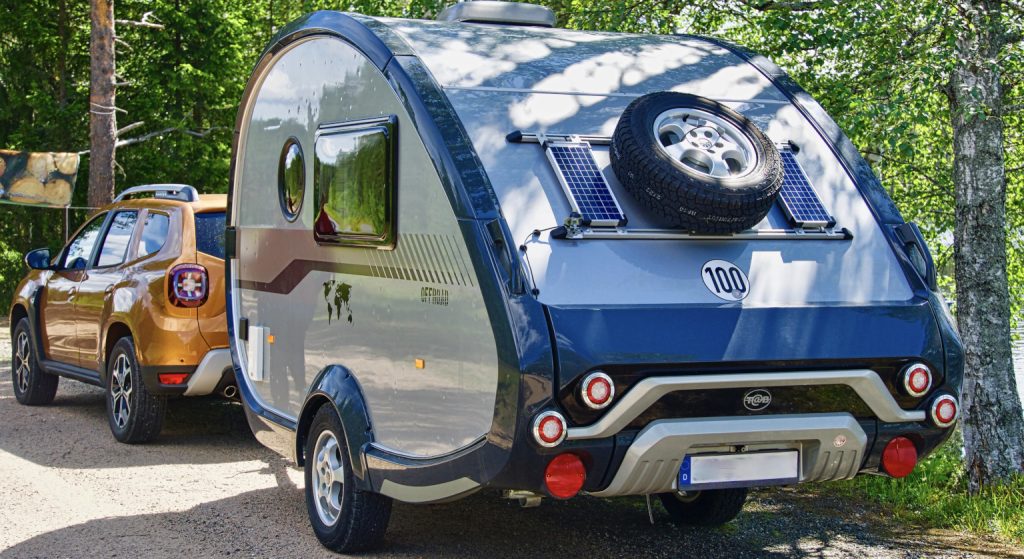
One of the most important parts of safe caravanning is understanding weights and tyres properly. It might not sound like the most exciting topic before a holiday, but getting it right can make a huge difference to safety, towing stability and even insurance cover.
Many caravan owners only look at weights when buying a caravan, but they matter every time you travel.
The good news is that once you understand the basic terms and know what to check, it becomes much easier to tow with confidence.
Why caravan weights matter
Every caravan and tow vehicle has legal weight limits set by the manufacturer. These limits are there for a reason.
Overloading a caravan can affect:
- Braking performance
- Towing stability
- Tyre safety
- Fuel economy
- Insurance validity
- Overall handling
It can also increase the chances of snaking or loss of control, especially during emergency manoeuvres or in poor weather.
Before setting off, it is always worth checking that your caravan is loaded correctly and remains within legal limits.
The main caravan weight terms explained
If you are new to caravanning, some of the terminology can feel overly technical. Here is a simple explanation of the most important terms.
Maximum Technically Permissible Laden Mass (MTPLM)
This is the maximum legal weight your caravan can weigh when fully loaded.
That includes:
- Clothing
- Food
- Water
- Gas bottles
- Awning equipment
- Personal belongings
- Anything else carried inside the caravan
You should never exceed the MTPLM.
Mass in Running Order (MIRO)
MIRO is the caravan’s weight as supplied by the manufacturer before you load your own belongings.
It usually includes standard factory equipment and essential fluids, but it does not include your luggage and many optional extras.
Caravan payload
Payload is the amount of additional weight you can safely add to the caravan.
It is calculated by subtracting the MIRO from the MTPLM.
A caravan with a larger payload gives you more flexibility when packing for longer trips.
Gross Train Weight (GTW)
Gross Train Weight is the maximum combined weight of your towing vehicle and caravan together.
This figure is set by the vehicle manufacturer and should never be exceeded.
Vehicle towing capacity
This is the maximum weight your vehicle is legally allowed to tow.
Towing capacity varies depending on the vehicle model, engine and transmission.
Always check the manufacturer’s specifications rather than relying on estimates.
Nose weight limits
Nose weight is the downward force the caravan places onto the towball.
Getting nose weight right is important for towing stability. Too little weight can increase the risk of snaking, while too much may overload the rear of the tow vehicle.
Packing your caravan safely
When loading your caravan, balance matters just as much as overall weight.
A few good habits include:
- Keep heavier items low down
- Position heavier items close to the axle
- Avoid overloading storage lockers
- Secure loose items before travel
- Do not place excessive weight at the very rear of the caravan
Even small changes in loading can improve towing behaviour.
Caravan tyres and weight safety
Caravan tyres work hard, especially during long summer journeys and motorway towing.
Unfortunately, tyres are often overlooked until a problem happens.
Before travelling, check that:
- Tyres have the correct load rating for the caravan
- Tyre pressures match the manufacturer’s recommendations
- There are no cracks, bulges or damage
- Tread depth remains legal and safe
- The spare wheel is also roadworthy
Tyres with the wrong carrying capacity can overheat or fail under load, particularly on long European journeys.
Caravan tyre age matters
One of the most common mistakes is assuming a tyre is safe simply because the tread still looks good.
Caravan tyres can deteriorate with age even if they are rarely used.
Sunlight, weather exposure and long periods of standing still can all weaken the rubber over time.
Many caravan owners choose to replace tyres after around five to seven years regardless of tread wear.
You can usually find the tyre age on the sidewall using the DOT code.
Before you travel
A quick safety check before every trip can help avoid problems later.
Take a few minutes to:
✔ Check caravan loading
✔ Confirm towing weights
✔ Inspect tyre condition
✔ Check tyre pressures
✔ Test caravan lights
✔ Secure loose items
✔ Confirm nose weight
✔ Inspect the spare wheel
These simple checks can make towing smoother, safer and less stressful.
Tow with confidence
Understanding caravan weights and tyre safety does not need to feel complicated.
Once you become familiar with the key terms and make safety checks part of your routine, towing becomes far more enjoyable.
Whether you are heading to a nearby campsite or planning a long European touring holiday, good preparation helps you travel with confidence and peace of mind.
Need help with towing?
If you are new to towing, returning to caravanning after a break, or simply unsure whether your vehicle and caravan are a suitable match, it is always worth seeking expert advice before travelling.
Organisations such as the The Camping and Caravanning Club and the The Caravan and Motorhome Club offer guidance on towing safety, vehicle matching, loading, and legal requirements.
Many clubs and specialist training providers also offer practical towing courses where you can learn:
- Safe towing techniques
- Reversing and manoeuvring
- Hitching and unhitching
- Weight distribution and loading
- Motorway and rural road driving
- Pre-journey safety checks
A few hours of professional instruction can significantly increase confidence and help make your caravanning trips safer and more enjoyable.