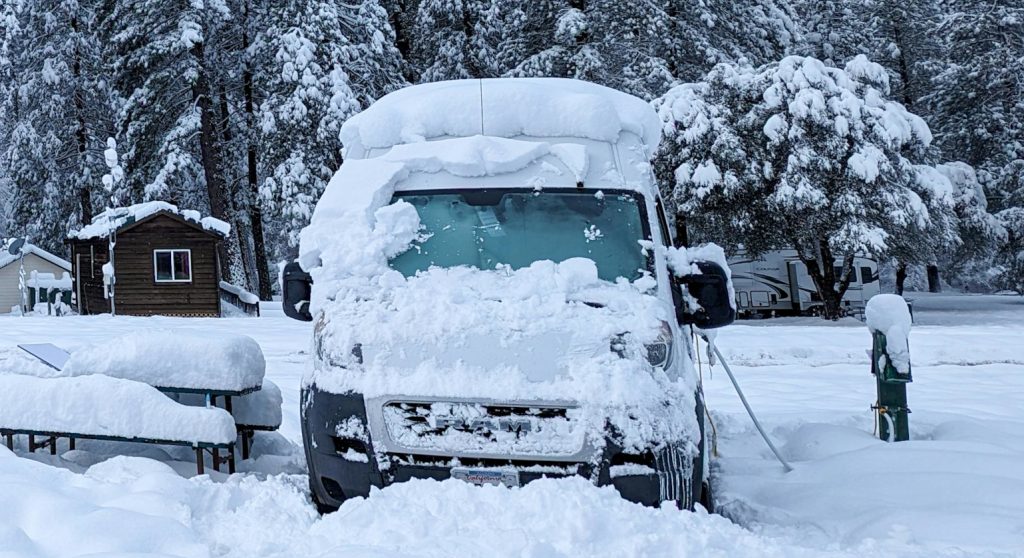
As temperatures drop, winterising your caravan or motorhome is one of the most important steps you can take to keep it in excellent condition. Whether you own a touring caravan, campervan, A-class, B-class, or C-class motorhome, proper winter preparation prevents damp, freezing damage, and costly repairs — and helps ensure your vehicle is ready for trouble-free adventures when spring arrives.
This guide explains why winterisation matters and provides a complete, actionable checklist for every type of leisure vehicle.
Why Winterisation Is Essential
Cold weather, moisture, frost, and lack of use can cause problems such as:
- Split water pipes and damaged pumps
- Damp, mould, and unpleasant odours
- Flat batteries
- Tyre damage
- Degraded sealant
- Sticking doors, windows, and lockers
A little preparation now saves time, money, and stress later — and protects the long-term value of your caravan or motorhome.
The Complete Winterisation Checklist
Below is your complete checklist, organised by category for simplicity. This applies to caravans, campervans, motorhomes (A-class, B-class, C-class), and panel vans.
Drain and Protect the Water System
This is the most critical winter task.
- Empty fresh water tanks completely.
- Empty waste water tanks and leave the drain tap open.
- Run all taps until the system runs dry.
- Open taps in the middle position (not fully hot or cold).
- Flush toilets and empty the cassette — clean thoroughly.
- Remove water filters (if fitted).
- Consider blowing air through internal pipes to clear remaining water.
- If you have an onboard water pump, run it briefly until it stops pushing water.
Look After the Heating & Gas System
- Turn off the gas supply and disconnect bottles if stored outside.
- Check gas hoses for cracks or wear — replace as needed.
- For diesel heaters, top up fuel to help prevent condensation.
- Clean heater vents and ensure nothing is blocked.
Protect the Interior
Moisture is your biggest enemy.
- Remove bedding, cushions (if possible), and soft furnishings or prop them up to allow airflow.
- Leave cupboard doors, wardrobes, and lockers open.
- Clean fridge and freezer, dry fully, and wedge doors open.
- Vacuum floors and clean all surfaces to avoid mould growth.
- Place moisture absorbers around the interior.
- Lubricate hinges, door catches, and window latches.
Electrical and Battery Care
For caravans:
- Remove the leisure battery and store it somewhere cool and dry.
- Charge the battery every 4–6 weeks.
For motorhomes:
- Charge both starter and leisure batteries regularly.
- If your motorhome is in storage, consider using a smart charger or solar panel to maintain levels.
For all vehicles:
- Switch off and unplug all electrical appliances.
- Turn off the master 12V supply (if your system allows).
Exterior Protection
- Wash and dry the exterior thoroughly.
- Apply a protective wax or bodywork sealant.
- Check window seals, roof lights, and awning rails for gaps.
- Lubricate door and locker seals with silicone spray.
- Remove debris from gutters and roof channels.
Tyres and Wheels
- Inflate tyres to the recommended pressure.
- Use winter wheel pads or move the vehicle slightly every few weeks to prevent flat spots.
- For caravans in long-term storage, consider taking the weight off the wheels using axle stands (only if safe and on solid ground).
- Check torque on wheel nuts before storing.
Security and Storage
- Store on level ground with the handbrake off (caravans) to prevent pads sticking.
- Fit wheel clamps or security locks.
- If storing outdoors, use a breathable cover designed for your vehicle type.
- Make sure vents remain unobstructed for airflow.
- Keep documentation and valuables at home, not in the vehicle.
Engine & Fuel System (Motorhomes & Campervans)
- Fill your fuel tank to reduce condensation.
- Check antifreeze levels and top up as required.
- Run the engine every few weeks, allowing it to reach operating temperature.
- Move the vehicle slightly to prevent seized brakes and flat tyre spots.
Summary: Winterisation at a Glance
Your winterisation essentials are:
- Drain all water systems completely
- Protect interiors from damp
- Maintain and store batteries correctly
- Clean, seal and protect the exterior
- Look after tyres and security
- Motorhomes: maintain the engine, fuel, and antifreeze
Following this checklist ensures that your caravan or motorhome stays dry, safe, and well-preserved throughout the colder months, and ready for new adventures as soon as spring arrives.